
Life as a Foreign Service Officer
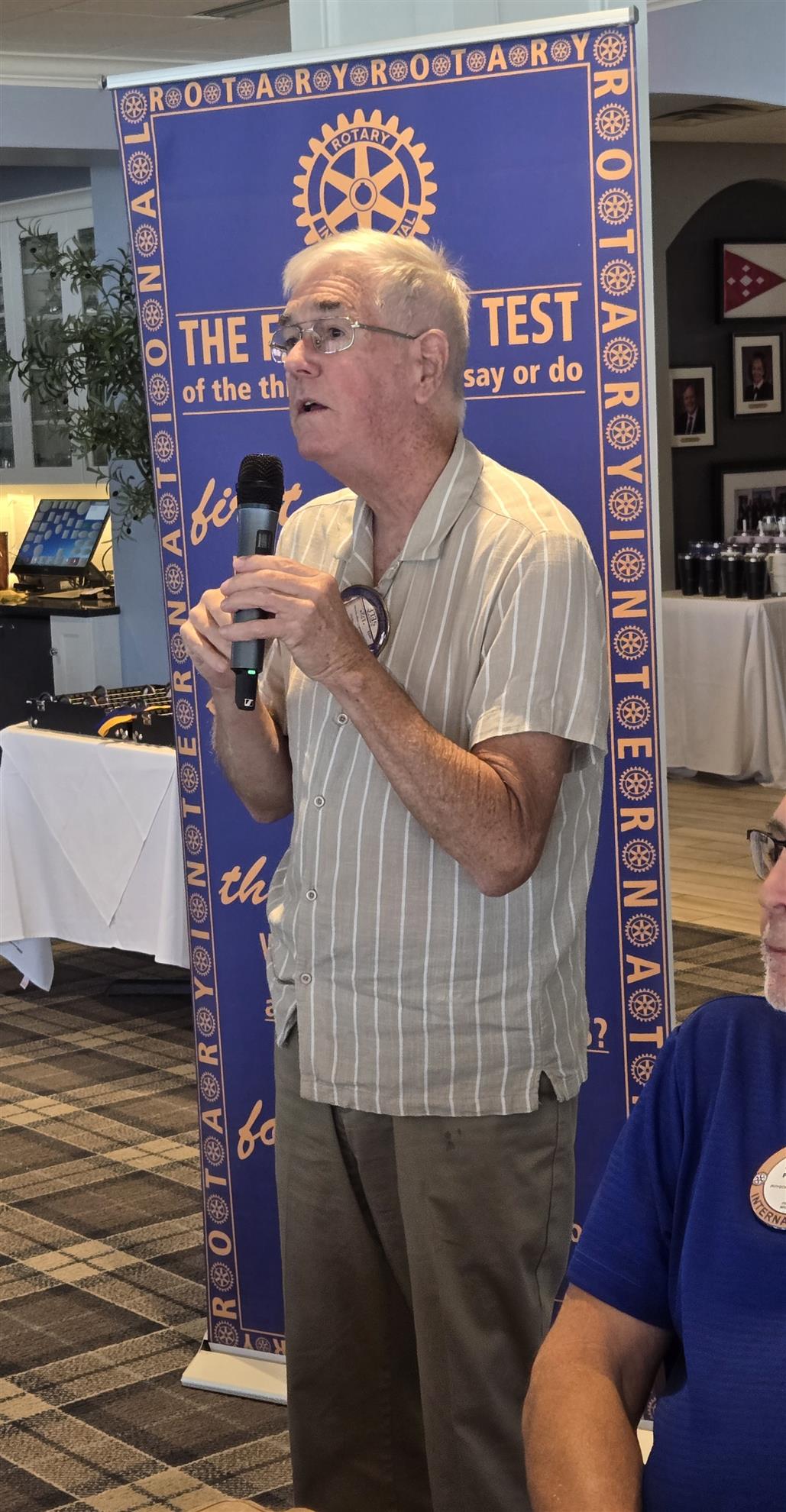 A Foreign Service officer (FSO) is a commissioned member of the United States Foreign Service. FSOs formulate and implement the foreign policy of the United States. John Helm spent his career as an FSO. He served as a consular official and a management officer. Consular officials are responsible for issuing visas to foreign citizens and assisting US citizens in foreign countries with death, birth certificates for children born abroad, and other assistance needed. As a management officer, John oversaw building projects.
The Foreign Service was one of the earliest departments of the US government, established in 1879 by Congress at George Washington's direction. Until 1926, the United States had only ministers and not ambassadors because the title of ambassador allowed too much power over spending.
The Foreign Service is structured like the military and headed by the Director General. FSOs have to pass a rigorous exam and are promoted through the ranks until their commission is complete and they are retired. They are civil servants and not subject to political supervision. Other state department employees, such as ambassadors, are politically appointed. The number of FSOs and their budget is set by Congress and has not been increased to keep pace with the demand.
Stories
John started his career in the Gambia, where he met his wife, who was a Peace Corps volunteer. He then served in Panama, Spain, Ecuador, DC (where he switched to overseeing building projects), Somalia, and finished his career overseeing domestic building projects.
In John's first assignment to oversee a building project, the building needed major asbestos remediation. He waited 7 years for approval of the money while assigned to Germany and El Salvador. When the budget was approved, he returned to the US and managed the contractors.
There was a time when car bombing was a major threat to US facilities, and John was asked to form a group to recommend building practices to safeguard diplomatic structures. The report was never utilized as the threat diminished. However, after 9/11, John was given a few hours to prepare an estimate for hardening the State Department headquarters against an attack similar to the attack on the Pentagon.
USAID has been in the news because of its elimination by the current administration. The first instance of the US funding beneficial projects in foreign countries was during WWII. The military was concerned about the Japanese landing troops in Central America and taking control of the Panama Canal. The concept of building a road for military purposes to the canal was expanded to the Pan American highway stretching from Alaska to Argentina. The highway served to increase commerce in the hemisphere. During the Cold War, many civilian projects were funded in South America to reduce the influence of the communist influenced dictators running most of the countries.