Heart Safe Holland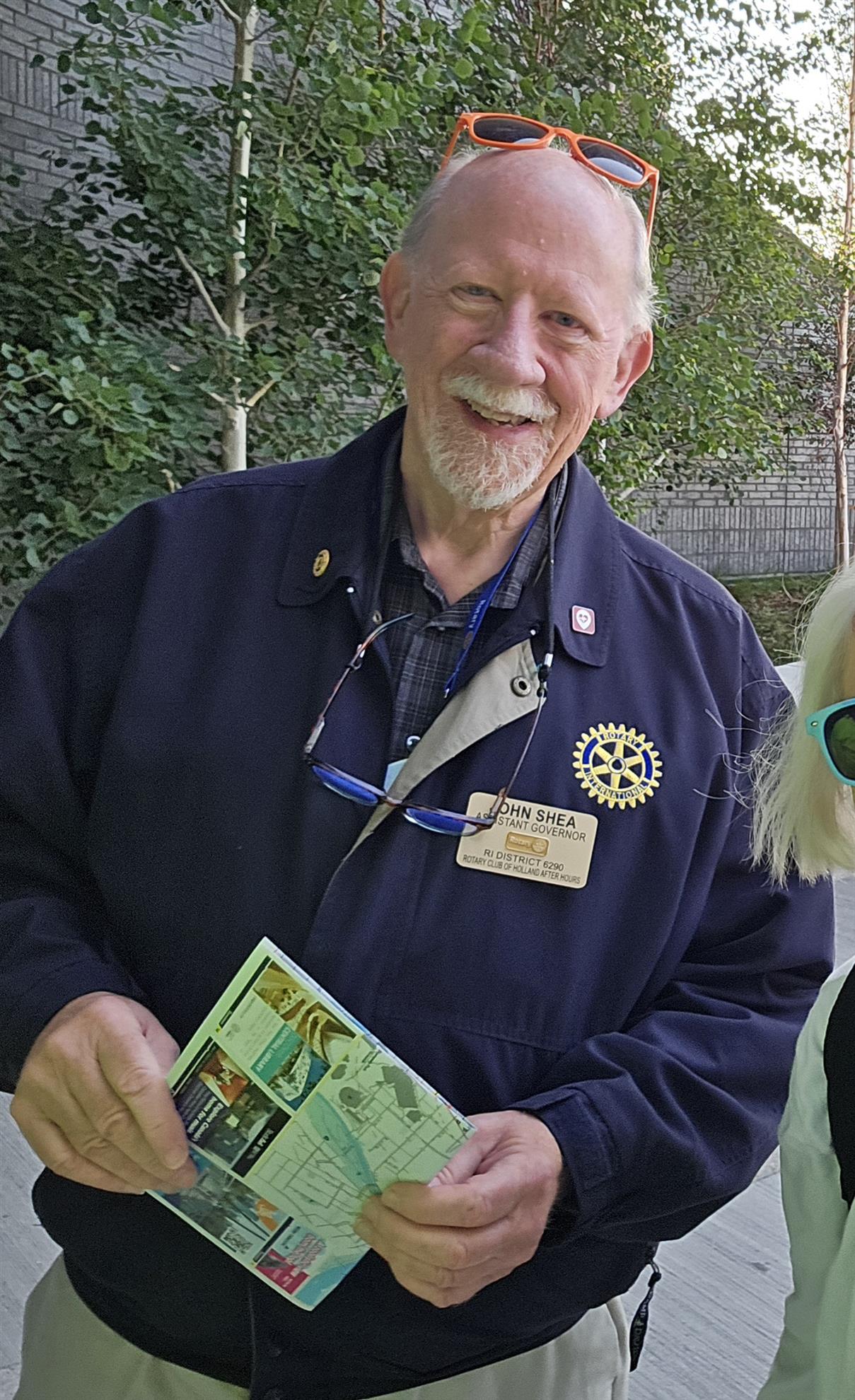 John Shea had Cardiac Arrest while volunteering for Community Action House. His partner that day, Jay Peters, had just completed training in hands-only CPR and recognized the signs. Lisa Cardillo had a heart attack while vacationing with her husband. They drove to the hospital emergency department, where she had Cardiac Arrest. Both John and Lisa now live in Holland and are involved in the HEARTSafe Holland initiative. John Shea had Cardiac Arrest while volunteering for Community Action House. His partner that day, Jay Peters, had just completed training in hands-only CPR and recognized the signs. Lisa Cardillo had a heart attack while vacationing with her husband. They drove to the hospital emergency department, where she had Cardiac Arrest. Both John and Lisa now live in Holland and are involved in the HEARTSafe Holland initiative.
After a person stops breathing, there is enough oxygen in their blood to supply vital functions for about 10 minutes. Performing hands-only CPR as soon as possible will keep the blood moving and oxygen supplied. Calling 911 is the first step, and Ottawa County dispatch operators can walk you through assisting the person. In the Holland area, trained medical responders are on the scene 4-5 minutes after a 911 call is made. If an AED is available, it can be used in addition to CPR. About 70% of Cardiac Arrests happen at home. If a person is not responsive and not breathing, they are likely in Cardiac Arrest. A person having a heart attack will be able to communicate and possibly move, but will be in great pain. The Citizen CPR Foundation, a national organization, awards the HEARTSafe Community designation. To qualify, a community must have a level 1 trauma center, have AEDS in first responder vehicles (police, fire, etc.) with training, and 15% of the population must be trained in CPR. Since 2024, when Holland was certified as a HEARTSafe community, the emphasis has been to maintain the 15% population training. Most AEDs in Ottawa County are registered with the county. This allows the 911 dispatch operators to direct you to the nearest AED. PulsePoint.org offers two applications to help in this effort. Pulsepoint AED allows access to the geographic AED information, while Pulsepoint Respond will alert trained citizens to cardiac emergencies close to their location.
|